Economic Bubble: Why Slow & Steady Wins the Race

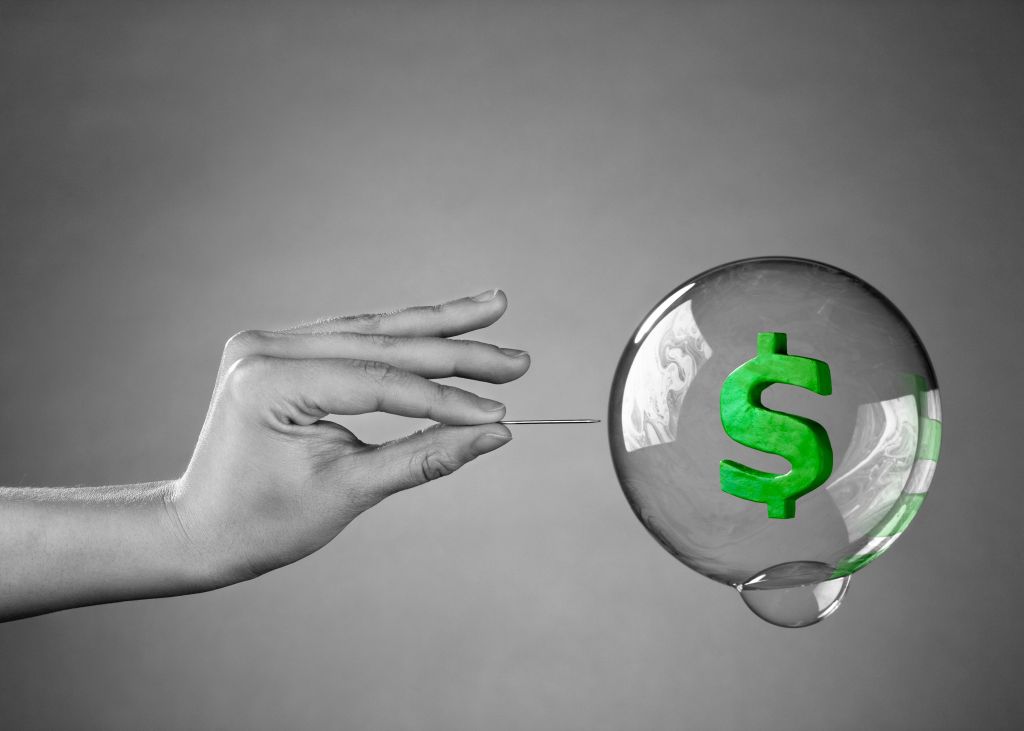
Let’s start with some basics here, an economic bubble or asset bubble (sometimes also referred to as a speculative bubble, a market bubble, a price bubble, a financial bubble, a speculative mania, or a balloon) is a situation in which asset prices appear to be based on implausible or inconsistent views about the future.

In simpler words, an economic bubble is formed due to sudden overvaluation of an asset and the later correction in its value.
So, who can make these bubbles?

Anybody, with a lot of capital at their disposal can form a bubble. This may include an individual, a company or even a group of companies who may come together to raise the value of an asset.

What good does a bubble do?

For an economy? Nothing. But for the investors, it means profits and major profits if it doesn’t get squeezed by a bigger investor (don’t know what a squeeze is? Stay tuned for further post).

How?

When a major investor or group of investors purchase a major chunk in an asset (commodity, equities, currencies, etc.) there is a sudden surge in the price of the asset, this surge is further increased by speculators in search for quick profits. When the price of the asset reaches a margin, the investor start selling the asset as rapid pace hence, making profits on their initial investments hence, bursting the bubble.

A simple recent example of bubble would be ‘BITCOIN’

BUBBLE OF BITCOIN

Here’s what the timeline of this bubble looked like:

  • December 17, 2017: bitcoin’s price briefly reaches its all time high of $19,783.06.
  • December 22, 2017, bitcoin fell below $11,000, a fall of 45% from its peak.
  • November 15, 2018, Bitcoin’s market capitalisation fell below $100 billion for the first time since October 2017 and the price of Bitcoin fell to $5,500. (Wikipedia)

F.Y.I in case you didn’t know the recession of 2008 was due to housing market bubble, where the prices of houses and their loans busted.

 I hope you liked the read, in case you didn’t I am sorry but there is no dislike button, you can always use comments though.

By Bhavik Gandhi       December 19, 2019

Credit Explained: The Cost of Promises

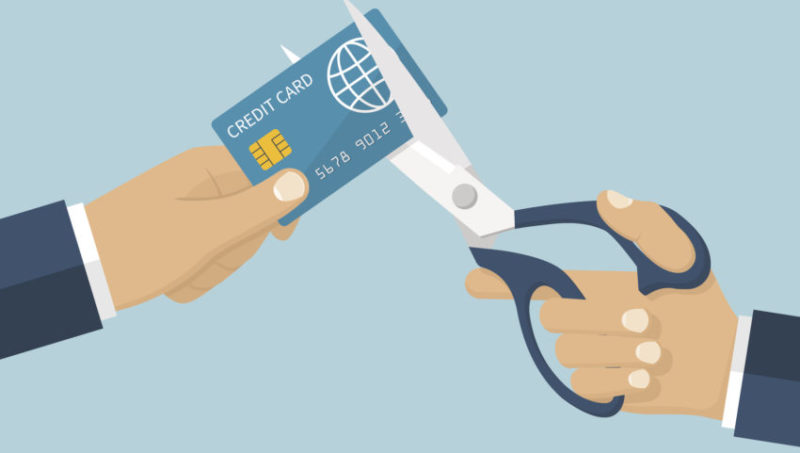
We all love to buy new things, sometimes we pay in cash sometimes with a debit card. What if you fall short of money, but you really like that thing? You take out your credit card and swipe it, type the password and TADA!! You just bought something you didn’t have the money for.

Today, lets take a small dive into the workings of credit.

In very simple words Credit is a promise. Its a promise you make to the bank that, even though you don’t have the money right now, you will pay the money later. The bank charges you with some interest for providing this service.

Let’s say you are out to buy a furniture set for your new house. Suppose, you fall short of a 1000 dollars, so ask for credit, making a promise that you will pay 1100 dollars later (A.K.A Debt). The credit is received and you bought your dream furniture. Sound’s all right? Here’s a catch, you just paid 100 dollars extra and your furniture will not make you those 100 dollars (usually). Moreover, you have taxes to pay over it (the amount of tax feels small in this case but in a bigger scenario it becomes rather respectable).

Here’s a different example. Let’s say your monthly salary is 50000 dollars, you take an additionally credit of 10000 dollars this makes your buying capacity as 60000 dollars for the month. Suppose, you do this for 12 months (2019 – 2020). Then you will have to spend 10000 every month making your monthly buying capacity to 40000 (50000-10000 = 40000) for the year 2020 – 2021. Plus there are always taxes to make things worse. In other words, you will have to cut your standard of living.

So, is Credit bad?

Yes, if you misuse it. Let’s say you are a Youtuber buying a new desktop will increase your productivity, intern making you money. Then your use of credit is justified for buying that desktop. The same applies for a industrialist buying a new machinery, doctors buying new equipment, blah blah blah. You get the idea right?

Hence, as a general rule of thumb, I will suggest you to take credit only for something that’s going to pay you back.

With this in mind I would want you to think what are some bad credit choices you made in the past?

What about me? None, I never had a credit card.

 I hope you liked the read, in case you didn’t I am sorry but there is no dislike button, you can always use comments though.

By Bhavik Gandhi   December 17, 2019.       

Design a site like this with WordPress.com
Get started